Center For Irrigation Technology
September 2026:
Preparing for JCAST Open House
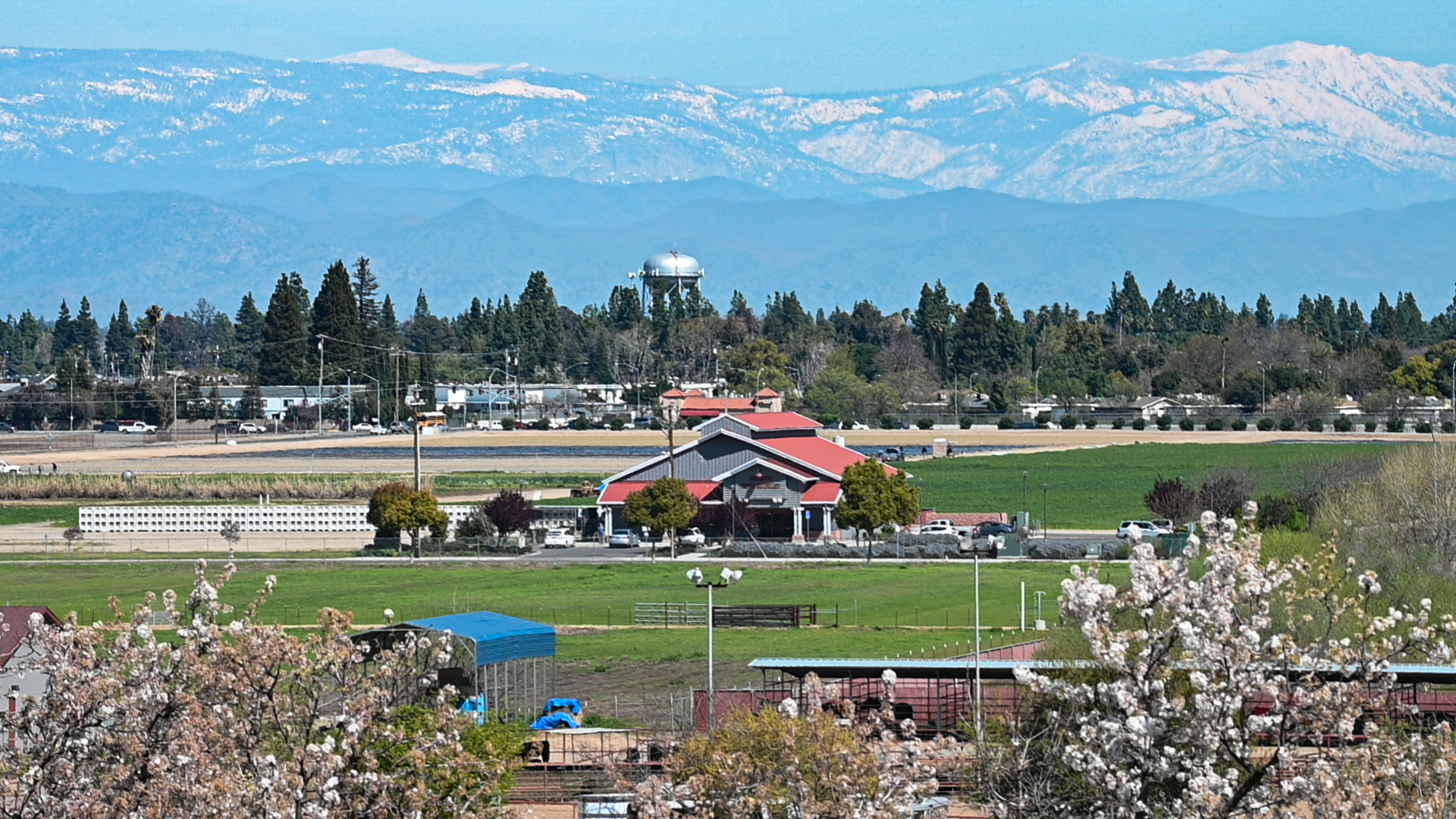
Fall is just around the corner, and the Jordan College of Agricultural Sciences and Technology (JCAST) is preparing to welcome the community to its annual JCAST Open House on Saturday, October 17, from 10 a.m. to 2 p.m. at the Gibson Farm Market. The event kicks off from 8 a.m. to noon with the Gibson Farm Market’s annual plant sale offering indoor and outdoor plants and pumpkins. The is invited to experience the many ways the university is helping shape the future of agriculture.
The free, family-friendly event will feature campus farm and winery tours, agricultural demonstrations, hands-on activities, farm products, prizes, and giveaways. Visitors of all ages can explore agricultural technology, learn about Fresno State’s programs, see equipment up close, and connect with faculty, staff, and students.
Visit CIT
CIT will be part of the Open House, giving visitors an opportunity to step inside our facilities and learn more about the work we do.
Our team will host a guided tour of CIT’s laboratories, where visitors can see some of the equipment and systems used for irrigation research and independent testing. The tours will offer a behind-the-scenes look at how CIT evaluates irrigation technologies and supports innovation in agriculture.
Visitors will also have the opportunity to learn about CIT’s testing capabilities and the role that research, technology development, and reliable data play in improving irrigation and agricultural practices.
Connecting Innovation with Opportunity
For 20+ years, CIT has worked with the Water, Energy and Technology (WET) Center to help entrepreneurs develop and market new agricultural technologies and innovations. Bringing these entrepreneurs together with CIT’s testing facilities creates an opportunity to showcase the connection between new ideas, technology development, research, and real-world application. It also highlights the collaborative environment that exists across Fresno State to support innovation in agriculture.
Building a Stronger Ag-Tech Ecosystem
The JCAST Open House is a great opportunity to bring family and friends to Fresno State and experience the people, research, technology, and agricultural resources that make Jordan College an important part of the Central Valley.
Whether you are interested in agricultural technology, research, farming, or simply looking for a fun family event, we invite you to join us at the JCAST Open House.
📅 Saturday, October 17, 2026
🕙 10 a.m. – 2 p.m. Open House; 8 a.m. - noon Plant Sale
📍 Gibson Farm Market, 5368 N. Chestnut Ave., Fresno
🎟️ Free and open to the public
Come visit CIT, explore our labs, meet WET Center entrepreneurs, and discover how Fresno State is helping shape the future of agriculture.
Learn more about the JCAST Open House
Stay Connected
We invite you to stay connected with CIT by following our updates, exploring our research and testing services, and reaching out to learn more about collaboration opportunities.
You can also follow us on social media and sign up to our monthly news letter by writing "Newsletter" on our contact us page.
Past Newsletters